How to Move Into a New Home Without Living Out of Boxes for Months
Moving into a new home is exciting, but the reality of unpacking can quickly become overwhelming.
Boxes end up in the wrong rooms. Essentials are buried. Closets become temporary dumping grounds. And before you know it, the “we’ll deal with that later” boxes are still sitting untouched weeks — or even months — after move-in day.
The good news is that moving into a new home does not have to mean living in chaos while you slowly figure out where everything belongs.
With a little planning — and the right support — you can unpack, organize, and create functional systems from the beginning so your home feels settled much faster.
This post contains affiliate links, including Amazon affiliate links. If you make a purchase through these links, I may earn a small commission at no extra cost to you. As an Amazon Associate I earn from qualifying purchases.
Your Moving Plan
Step 1: Declutter Before You Pack
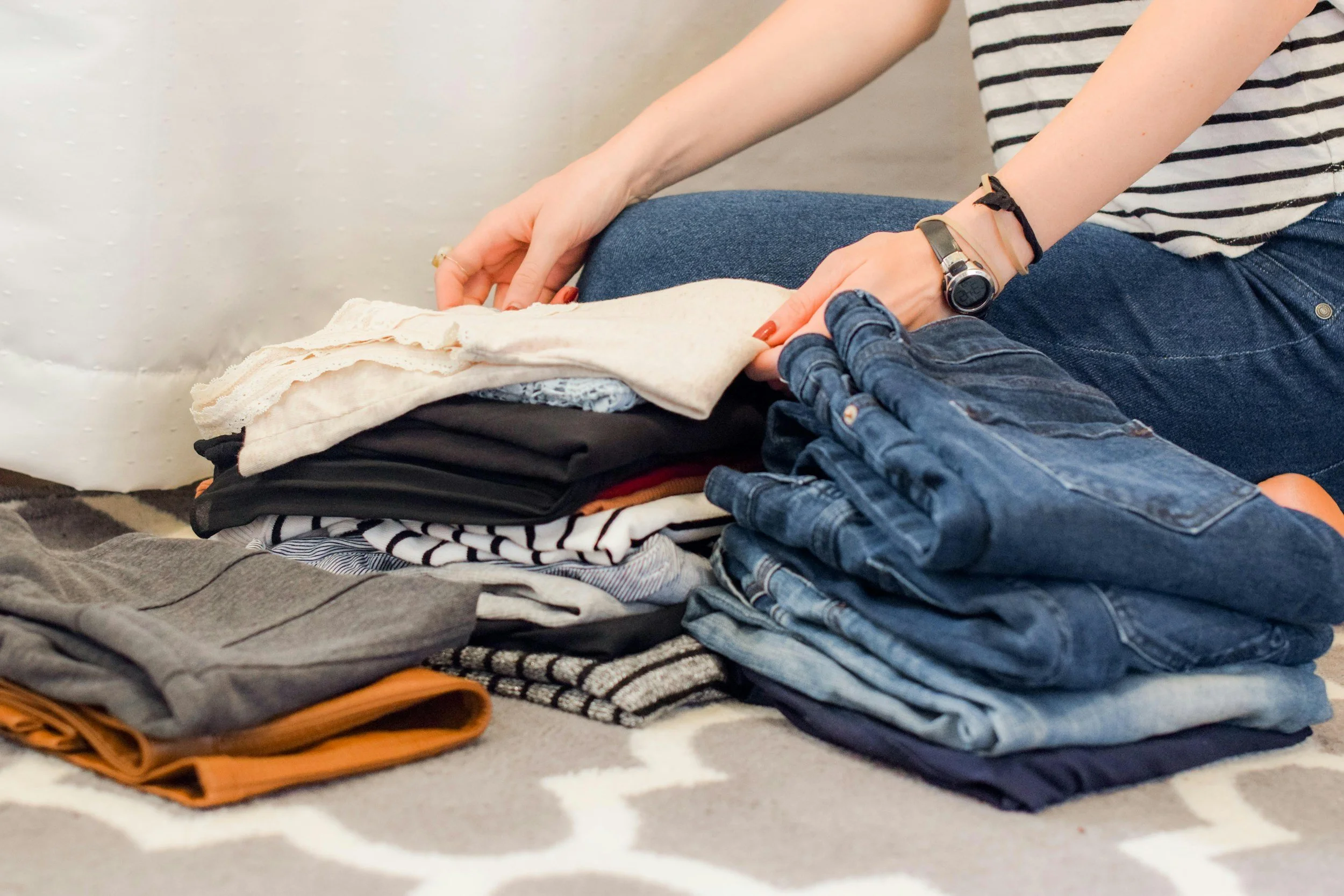
One of the easiest ways to make unpacking harder is to move things you already know you do not want or need.
Before packing begins, take time to go through your belongings and decide what should actually make the move.
This is especially helpful for areas that tend to accumulate excess, including:
Clothing and shoes
Pantry items and expired food
Toys
Bathroom products
Paperwork
Kitchen gadgets
Garage and storage items
The less you move, the less you have to pack, transport, unpack and find a home for later.
Even a quick decluttering pass can make a major difference.
Step 2: Create a Clear Labeling System

“Kitchen” written on the side of a box is helpful, but it may not be enough when dozens — or hundreds — of boxes start arriving at the new house.
A more detailed labeling system makes move-in day significantly smoother.
Consider labeling boxes by both room and category.
For example:
Kitchen – Baking
Kitchen – Everyday Dishes
Primary Bedroom – Closet
Nursery – Dresser
Playroom – Toys
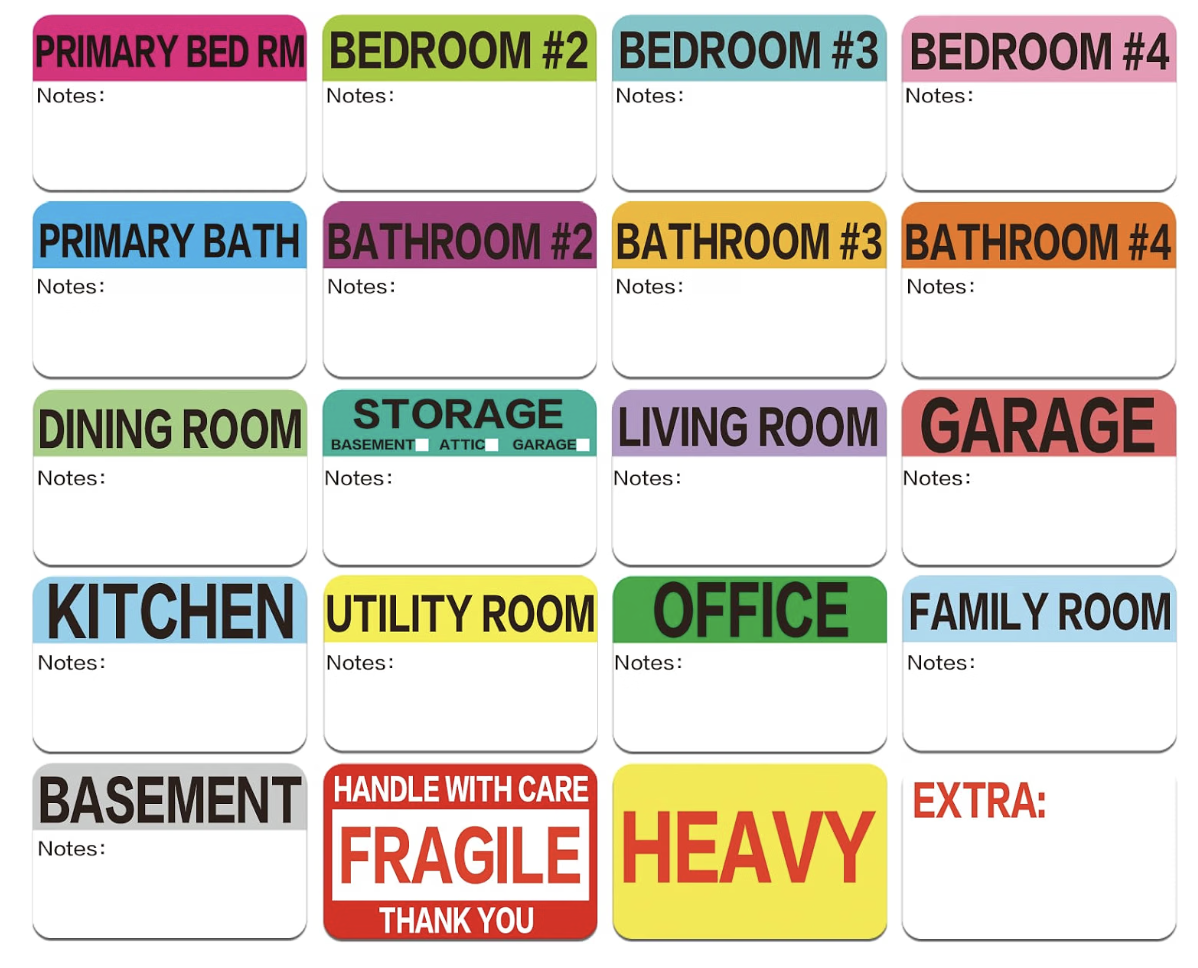
You can also assign each room a color so movers and anyone helping with the move can quickly identify where a box belongs.
The goal is simple: every box should arrive as close as possible to its final destination.
That prevents you from spending the next several days carrying boxes from room to room.
Step 3: Decide Where Things Will Live Before You Start Unpacking
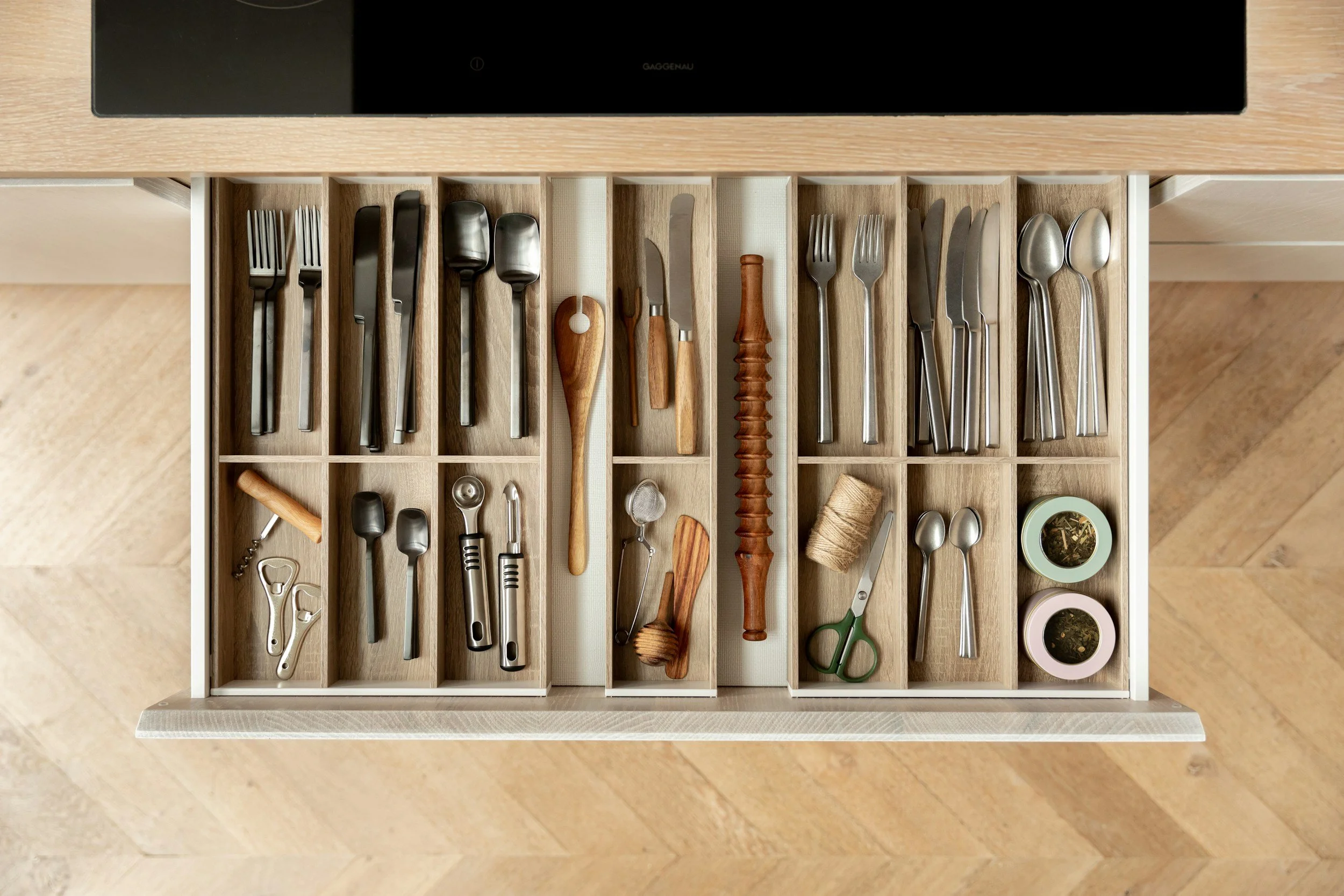
One of the biggest mistakes people make after moving is unpacking without a plan.
When there is no clear system, belongings often end up wherever there happens to be space.
Instead, take a few minutes to think about how you actually use each room.
In the kitchen, for example:
Everyday dishes should be easy to reach.
Coffee supplies should live close to the coffee maker.
Baking supplies should be grouped together.
Kids' cups and plates may need to be accessible at a lower level.
Frequently used snacks should be easy to grab.
The same idea applies throughout the house.
Your storage should support your daily routines — not just fill cabinets, drawers and closets.
Step 4: Prioritize the Rooms You Need Immediately
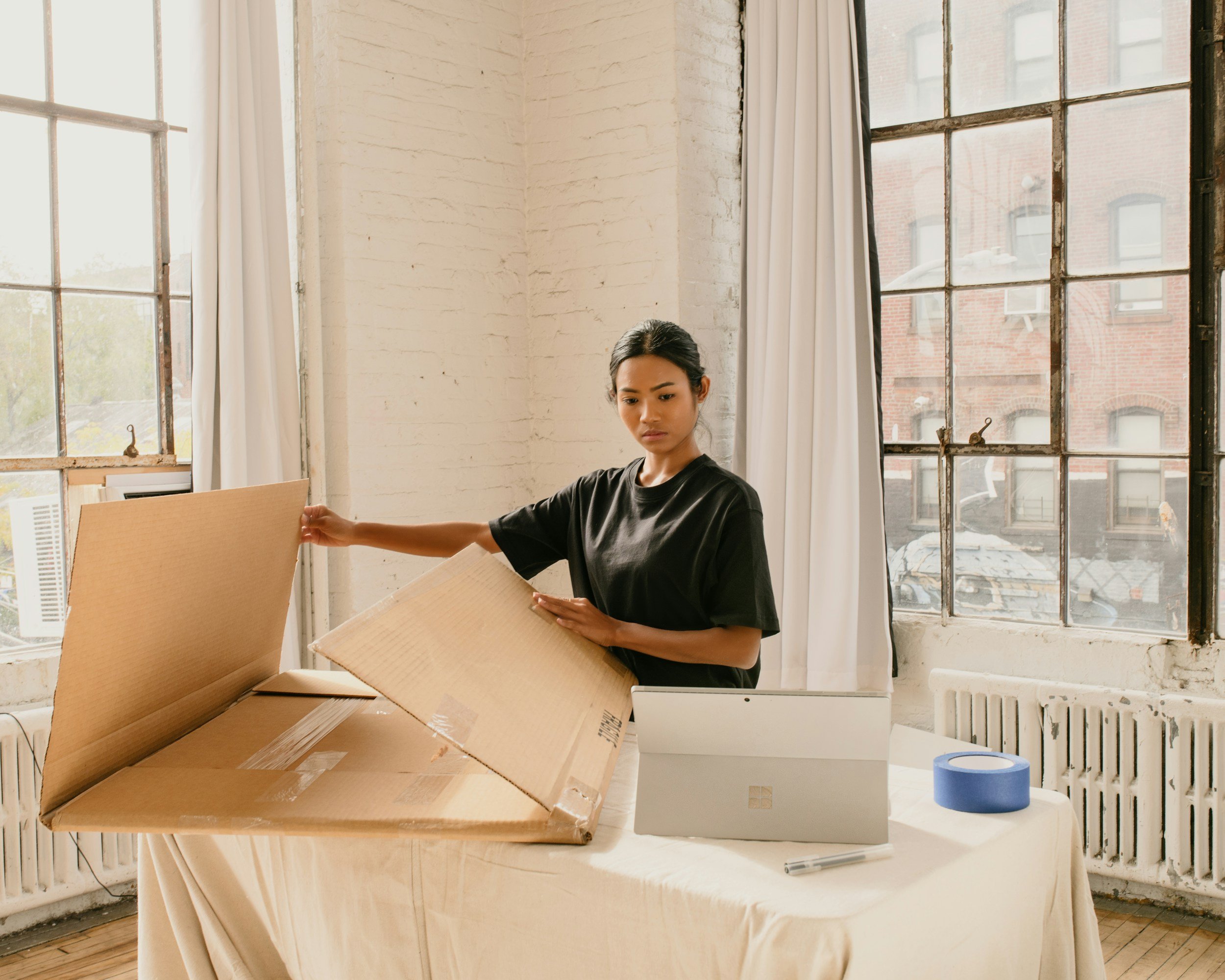
You do not need to organize the entire house at once.
Start with the rooms that will make daily life easier as quickly as possible.
For most families, that usually means:
Kitchen and pantry
Being able to prepare meals and find basic supplies immediately makes the house feel much more functional.
Primary bedroom and bathroom
Having clothes, toiletries and everyday essentials accessible helps eliminate the feeling of living out of a suitcase.
Children's rooms
Setting up bedrooms, toys and familiar belongings can help children adjust to a new environment.
Laundry room
Laundry tends to pile up quickly during a move, so getting this space functional early can prevent another layer of chaos.
Once the essentials are handled, you can move on to less urgent areas such as guest rooms, garages, offices and long-term storage.
Step 5: Unpack and Organize at the Same Time
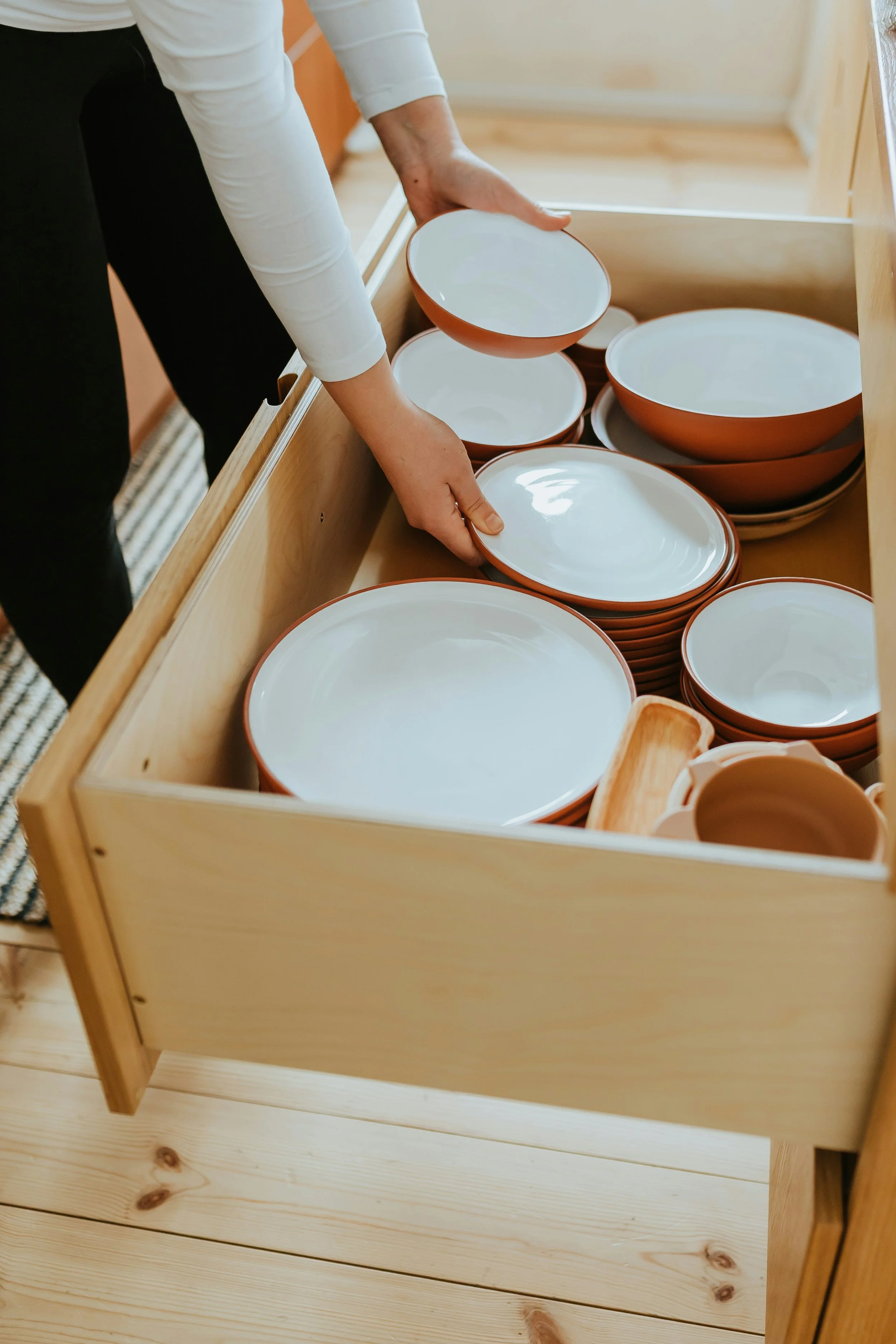
There is a big difference between unpacking a house and organizing a house.
Unpacking simply removes belongings from boxes.
Organizing gives those belongings an intentional place to live.
Whenever possible, avoid unpacking everything onto counters, floors or beds with the intention of organizing it later.
Instead, organize as items come out of the boxes.
Group similar items together, determine where they should live and put them away once.
This may take slightly more thought upfront, but it saves an enormous amount of time later.
Step 6: Wait Before Buying Too Many Organizing Products
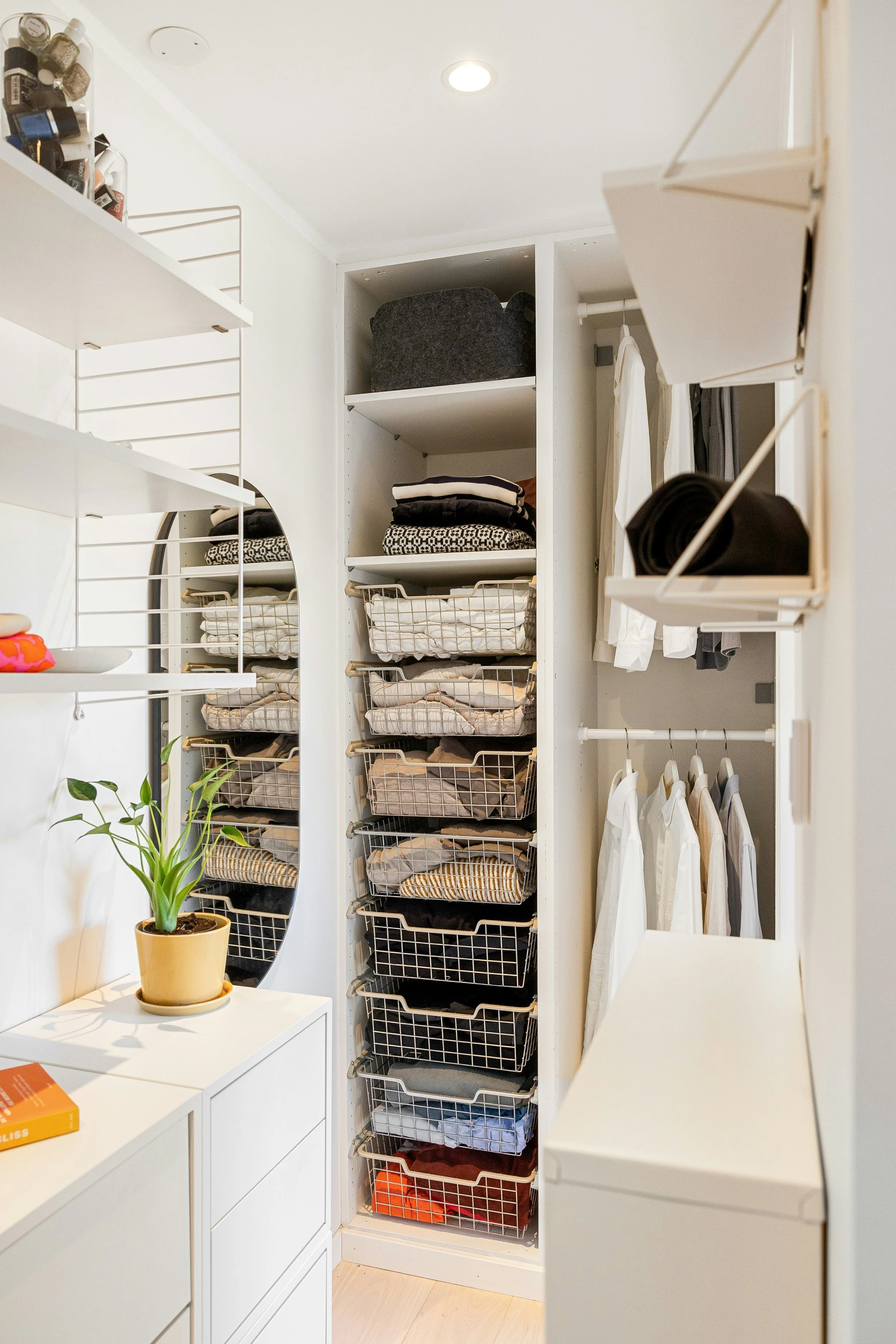
It can be tempting to buy bins, baskets and drawer organizers before moving into a new home.
But until you see the new space filled with your actual belongings, it can be difficult to know exactly what you need.
Start by organizing what you already own.
Then identify the areas where products would genuinely improve function.
That might include:
Drawer dividers
Pantry bins
Lazy Susans
Shelf risers
Shoe racks
Under-sink storage
Closet accessories
Toy bins
Labels
Organizing products should solve a problem — not create another collection of things you have to store.
Step 7: Create Systems That Match Your Real Life
The best organizing system is not necessarily the prettiest one.
It is the one your household will actually maintain.
Think about how you naturally move through your home.
Where do backpacks get dropped?
Where does mail pile up?
Where do children reach for snacks?
Where do you get ready in the morning?
Where do extra household supplies need to live?
Good organization works with your habits instead of fighting against them.
When systems are simple and intuitive, they are far more likely to stay organized long after move-in day.
Step 8: Do Not Let “Temporary” Become Permanent
Every move has a few boxes that do not immediately have an obvious home.
That is normal.
The problem is when those boxes disappear into a basement, garage or spare room indefinitely.
Instead, create one designated area for items that still need to be addressed.
Then give yourself a deadline for dealing with them.
If you have not needed, wanted or looked for something after several months, it may be worth reconsidering whether it needs to stay at all.
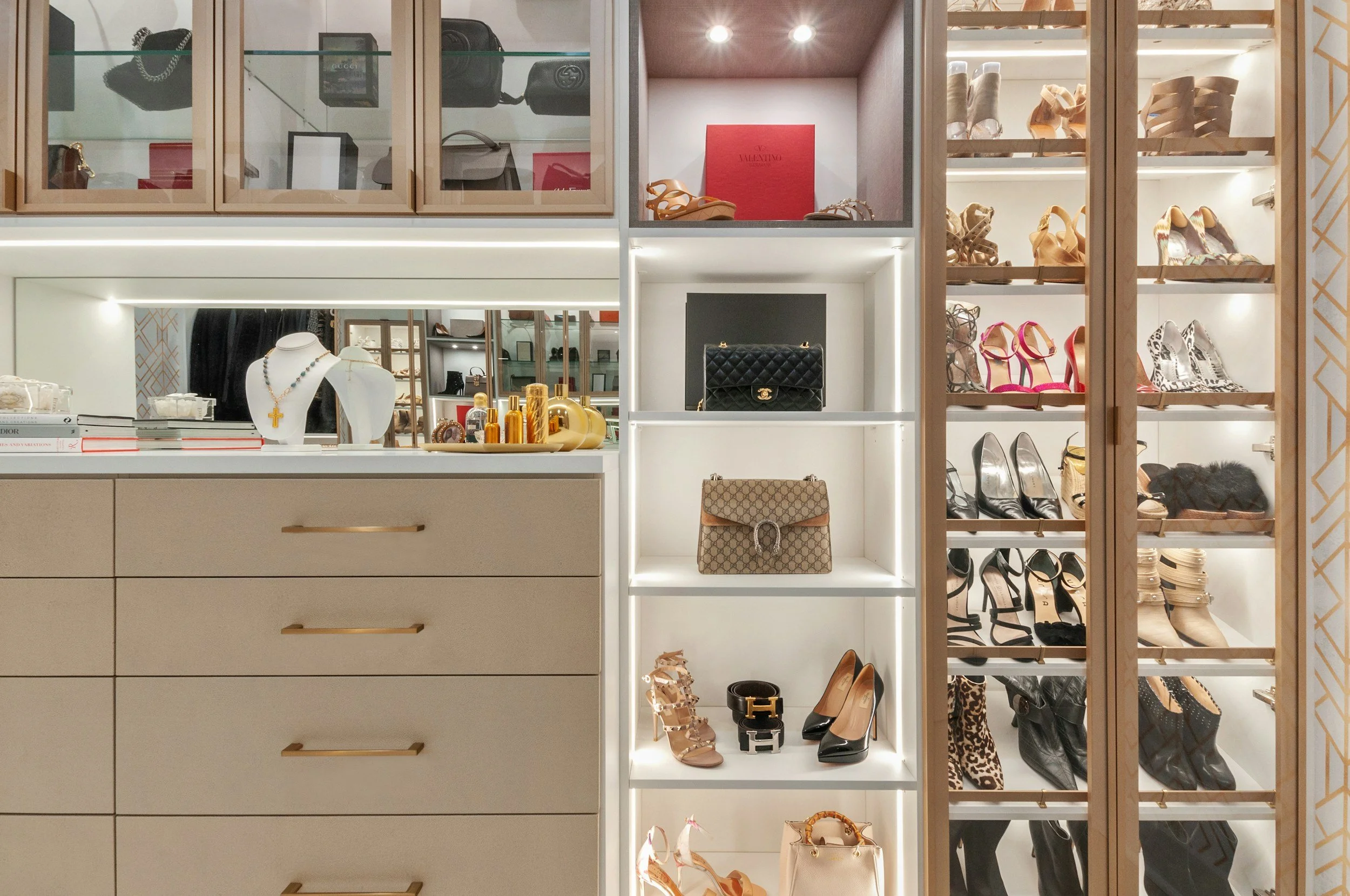
Moving Should Feel Like a Fresh Start
A new home is an opportunity to create systems that work better than the ones you had before.
Instead of recreating the same clutter and storage problems in a new space, you can use the move as a chance to rethink what you own, where it belongs and how your home functions.
And you do not have to do all of it yourself.
Professional Move-In and Unpacking Support
Reset Method's Move Concierge service is designed to take the stress out of moving and help your new home feel settled as quickly as possible.
Depending on your project, our team can assist with:
Pre-move decluttering
Moving-day organization
Room and box labeling systems
Unpacking
Kitchen and pantry organization
Closet organization
Children's rooms and play spaces
Product sourcing
Labeling
Donation coordination
Move-in organization and home setup
Rather than simply emptying boxes, we create thoughtful, functional systems based on how you and your family actually live.
Reset Method provides move concierge reset services in Northern Virginia, Washington, DC, Maryland, Southern California, and Southwest Florida.
If you are planning a move and want your new home to feel organized from day one, learn more about our Move Concierge services or contact Reset Method to discuss your upcoming move.
Chaos, controlled.
Reset Method’s Favorite Moving Products
Colored Moving Box Labels
Make it easy to color-code boxes by room so movers know exactly where everything belongs.
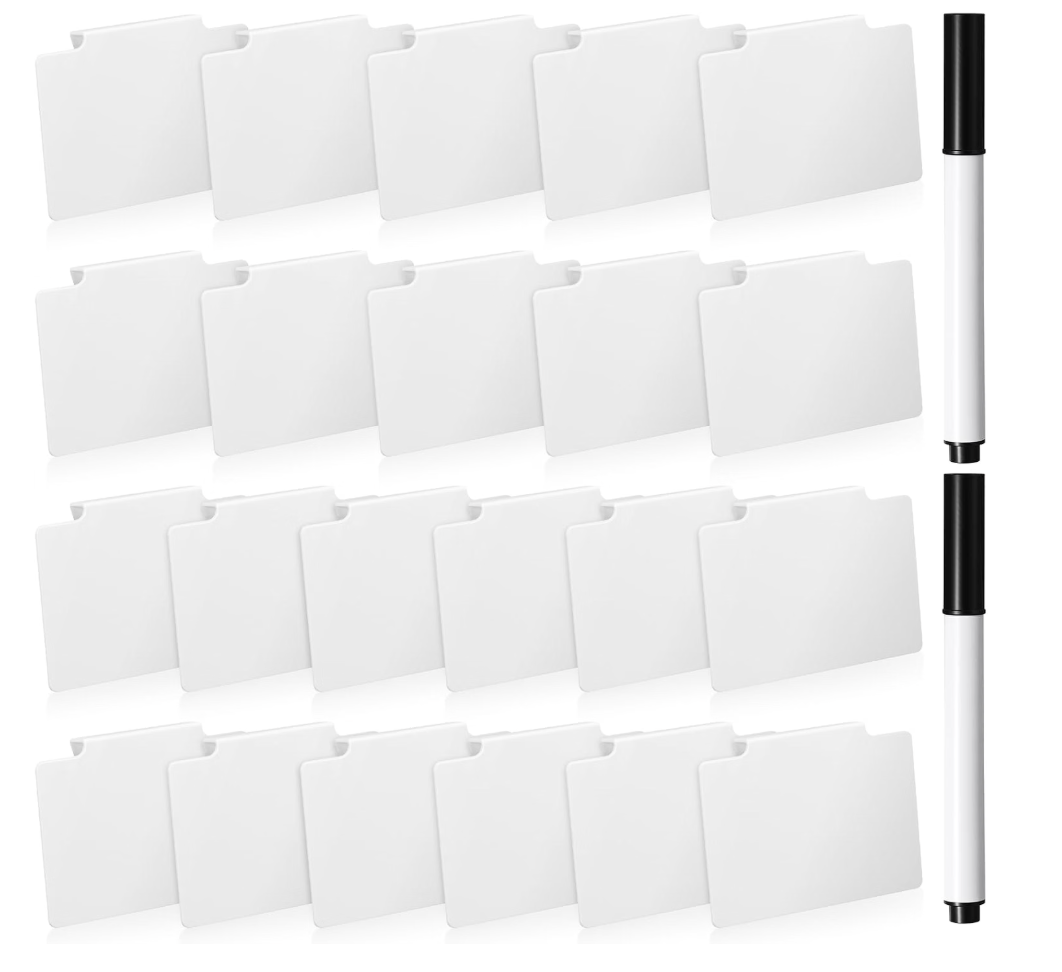
Clip Labels
Perfect for labeling bins and baskets during unpacking so items stay easy to identify and relocate as needed.
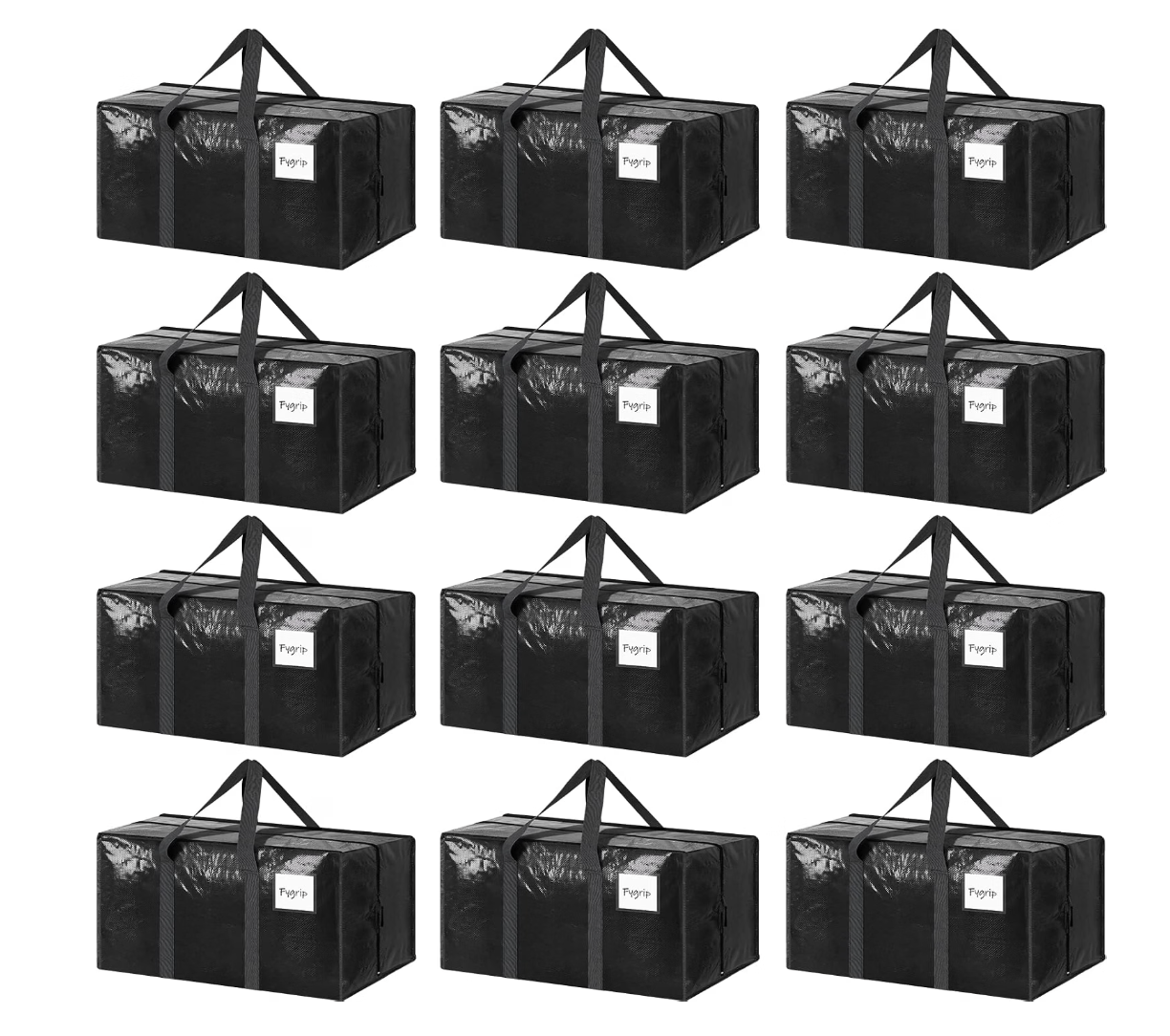
Heavy-Duty Moving Bags
Perfect for transporting clothing, linens, pillows, and other soft items without wasting boxes.
Garment Boxes and Reusable Plastic Moving Boxes
Protect hanging clothes, reduce unpacking time, and provide a durable, stackable alternative to traditional cardboard boxes.
Shop the Reset Method Move Tools
These are the exact pieces that make these systems work.
Select any photo below to purchase.
Some of the links below are affiliate links.